
Get Home Air Quality Testing in Prosper, TX
Home air quality testing services identify issues like mold, allergens, and pollutants, helping Prosper, TX homeowners ensure a healthier indoor environment through local professional assessments.
Home air quality testing services are an important consideration for property owners in Prosper, TX who want to ensure a safe and comfortable living environment. These services help identify potential issues such as indoor pollutants, allergens, or mold that can impact health and overall well-being. By detecting contaminants early, homeowners can take targeted steps to improve air quality, leading to a more pleasant and healthier indoor space.
Choosing professional air quality testing can also enhance the functionality and durability of a property. Better air quality can reduce the buildup of dust and other particles that may cause wear on HVAC systems, leading to less frequent maintenance and repairs. Additionally, maintaining a clean and healthy indoor environment can boost curb appeal, making a property more inviting and potentially increasing its value. Contacting experienced local providers can help property owners achieve these benefits effectively.
- Indoor Air Quality Testing - recommended when residents notice persistent odors, mold growth, or allergy symptoms indoors.
- Ventilation System Evaluation - useful for homeowners experiencing poor airflow or uneven temperature distribution in their homes.
- Radon Testing - essential when living in areas with elevated radon levels or after home renovations near Prosper, TX.
- Mold and Mildew Inspection - advised if visible mold is present or if there is a history of water damage in the property.
- Allergen and Particulate Testing - beneficial for households seeking to identify airborne allergens affecting respiratory health.


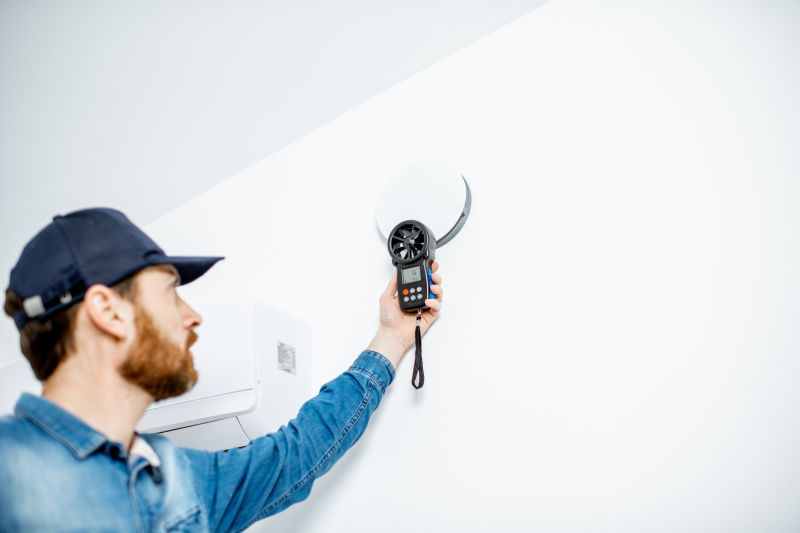
Home air quality testing services involve evaluating indoor environments to identify pollutants and contaminants that may affect health and comfort. These services typically include collecting air samples from various areas within a property and analyzing them for common indoor pollutants such as volatile organic compounds (VOCs), mold spores, dust particles, and allergens. The goal is to provide a clear understanding of the air quality levels and pinpoint specific issues that may be contributing to health concerns or discomfort among occupants. Professional testing ensures that potential problems are accurately identified, enabling property owners to make informed decisions about necessary improvements or remediation measures.
These testing services are especially beneficial for addressing problems like allergies, respiratory issues, or unexplained odors that persist within a property. Poor indoor air quality can stem from various sources, including mold growth, inadequate ventilation, or the presence of chemical emissions from household products or building materials. Identifying these issues early can help prevent long-term health effects and improve overall indoor comfort. In addition, air quality testing can assist in verifying the effectiveness of existing ventilation systems or the need for upgrades, ensuring that indoor environments remain safe and healthy for occupants.
Properties that commonly utilize air quality testing include residential homes, especially those experiencing persistent health symptoms or unusual odors. It is also frequently used in commercial buildings, such as offices, retail spaces, and healthcare facilities, where maintaining a safe indoor environment is critical. Additionally, property managers and landlords may seek testing services when preparing units for new tenants or after renovations to ensure the space meets health standards. Schools, daycare centers, and other institutional facilities also benefit from testing to safeguard the well-being of occupants, particularly children and vulnerable populations.
Engaging with local service providers for air quality testing offers a practical way to assess indoor environments comprehensively. These professionals use specialized equipment and techniques to detect pollutants that may not be visible or detectable through simple inspection. By obtaining an accurate assessment, property owners can address specific issues with targeted solutions, such as mold remediation, improved ventilation, or air purification. Connecting with experienced local providers ensures that testing is thorough and tailored to the unique needs of each property, helping to create healthier indoor spaces for residents and occupants alike.
The overview below groups typical Home Air Quality Testing projects into broad ranges so you can see how smaller, mid-sized, and larger jobs often compare in Prosper, TX.
In many markets, a large share of routine jobs stays in the lower and middle ranges, while only a smaller percentage of projects moves into the highest bands when the work is more complex or site conditions are harder than average.
Testing Costs - Home air quality testing typically ranges from $150 to $400, depending on the scope and complexity of the analysis. Some basic tests may be closer to $150, while comprehensive assessments can reach higher costs. Examples vary based on local providers and testing methods.
Sampling Fees - The fee for collecting air samples usually falls between $100 and $250 per sample. Additional samples for different areas or pollutants may increase the overall cost. Costs depend on the number of samples and specific testing requirements.
Labor Charges - Professional testing services often charge between $200 and $500 for labor, which includes setup, sample collection, and analysis. Prices vary based on the size of the property and the complexity of testing needed.
Report and Analysis - Detailed reports and analysis from local pros can add $50 to $200 to the total cost. These reports interpret test results and recommend next steps, with prices depending on the detail and provider. Costs are influenced by the extent of analysis required.
Actual totals will depend on details like access to the work area, the scope of the project, and the materials selected, so use these as general starting points rather than exact figures.
Indoor Air Quality Testing services help identify pollutants and allergens present in residential environments, providing insights for potential improvements.
HVAC System Testing involves evaluating heating, ventilation, and air conditioning units to ensure they are not contributing to poor air quality inside homes.
Ventilation Effectiveness Assessments focus on measuring how well airflow exchanges occur, which can impact indoor air freshness and contaminant levels.
Radon Testing services detect the presence of radon gas, a common indoor air concern that can affect health if levels are elevated.
Mold and Mildew Testing identifies areas with mold growth or high moisture, which can impact air quality and occupant health.
Air Quality Monitoring involves ongoing or spot testing of indoor environments to track pollutant levels and inform necessary actions by local service providers.
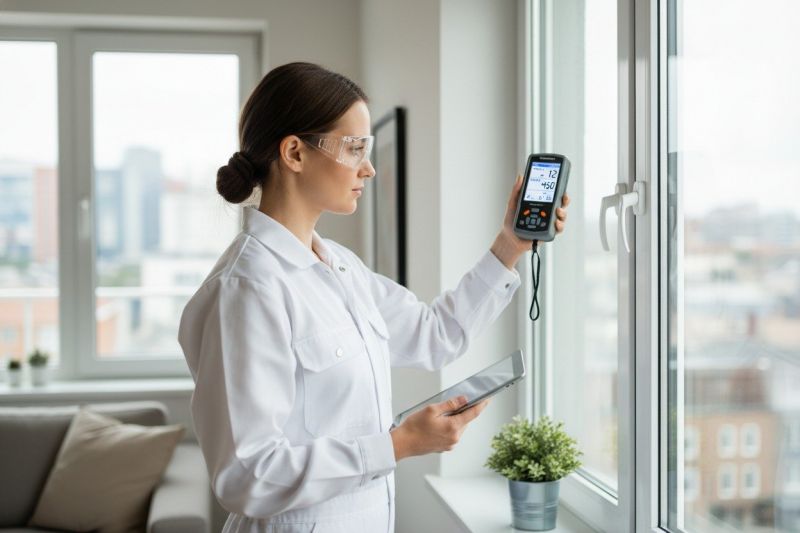
When selecting a professional for home air quality testing, it’s important to consider their level of experience in the field. Experienced providers are often familiar with a variety of testing methods and can identify potential issues accurately. Homeowners should look for local service providers who have a proven track record in performing air quality assessments within the community, as this can indicate familiarity with regional concerns and common indoor air challenges.
Clear communication and well-defined expectations are key when working with a home air quality testing service. Reputable local providers typically explain the testing process, what homeowners can expect during the assessment, and how the results will be delivered. It’s beneficial to choose professionals who are transparent about their procedures and willing to answer questions, ensuring that homeowners understand the scope and purpose of the testing before proceeding.
Reputable references and positive feedback from other homeowners can help gauge the reliability of local air quality testing providers. Homeowners are encouraged to seek out service providers with a history of satisfied clients and good standing within the community. While the site introduces options for local pros, it’s important to remember that it does not perform the testing itself. Instead, it serves as a resource to connect homeowners with qualified local service providers who can meet their specific air quality testing needs.
Property owners in Prosper, TX use Home Air Quality Testing services for practical projects around their homes and businesses. The sections below highlight everyday jobs and straightforward project options.

Homeowners in Prosper, TX may seek air quality testing services when they notice persistent odors, unexplained allergies, or respiratory issues within their homes. These tests can help identify potential sources of indoor pollutants such as mold, dust, pet dander, or airborne chemicals, ensuring a healthier living environment. Property owners might also consider testing if they have recently renovated, experienced water damage, or suspect the presence of mold or other contaminants that could impact indoor air quality.
Additionally, individuals preparing to sell their homes or undertake remodeling projects often look for air quality testing to ensure the space meets safety standards and is comfortable for future occupants. Regular testing can also be a proactive step for those with allergies or respiratory conditions, providing peace of mind by confirming that indoor air remains safe and free of harmful pollutants. Local service providers can assist property owners in assessing and improving their indoor air environment.
What is home air quality testing? Home air quality testing involves assessing indoor air for pollutants, allergens, and other airborne contaminants to ensure a healthy living environment.
Why should I consider air quality testing for my home? Air quality testing can identify potential issues such as mold, dust, or chemical pollutants that may affect health and comfort.
How do local professionals perform air quality testing? Trained service providers typically use specialized equipment to collect air samples and analyze them for various indoor pollutants.
How often should home air quality testing be done? The frequency depends on factors like allergies, recent renovations, or visible mold, but consulting with a local expert can provide personalized recommendations.
What types of pollutants can air quality testing detect? Testing can reveal levels of allergens, mold spores, volatile organic compounds (VOCs), dust, and other common indoor air contaminants.
Indoor Air Quality Testing - Local service providers offer comprehensive testing to identify pollutants and allergens inside homes in Prosper, TX.
Air Quality Sensor Installation - Professionals can install sensors to monitor air quality levels and provide ongoing data to help maintain a healthy indoor environment.
Mold & Contaminant Detection - Experts utilize specialized testing methods to detect mold, VOCs, and other airborne contaminants affecting indoor air quality.
Customized Air Quality Solutions - Service providers can recommend and implement tailored solutions to improve indoor air conditions based on testing results.
Considering Home Air Quality Testing for a property in Prosper, TX? The sections above highlight common project types, practical options, and details that often shape the scope of work.
When you are ready, use the quote form to share a few details about your project. Local pros can review the basics and respond with options that match what you have in mind.